Search is evolving faster than ever. A decade ago, ranking on a search engine was about stuffing keywords, building backlinks, and hoping the algorithm noticed you. Today, the landscape looks completely different. Search systems think, analyze, understand users, and even predict what they want before they type the full query.
We’ve entered a world where machines learn patterns, understand language, interpret behavior, and deliver answers with impressive accuracy. This shift has opened the door to a new style of search strategy — often referred to as AI search optimisation — and it is transforming how businesses create content and how people find information.
If search engines of the past behaved like calculators, today’s search engines behave like intelligent advisors.
This blog will take you deep into the modern world of AI-driven search — what it means, why it matters, how it works, and how brands can stay ahead of the rapidly changing digital wave.
Table of Contents
The Evolution of Search Engines
Search engines are no longer just databases matching words. They are intelligent systems designed to understand meaning, tone, context, and user intent.
Here’s how things have changed:
Before Now
Keywords were the main ranking signal. Meaning and Context Matter more
Static algorithms control results. AI models update constantly.
Search required exact phrases. The engines understand natural language
The results were the same for everybody. Results are now personalized.
Ranking was slow + predictable. Ranking will be dynamic, depending on behavior.
Today, a query like “best shoes for rainy season” doesn’t just trigger pages with matching words — it triggers content that matches weather conditions, materials, customer reviews, and even region-specific suggestions. The internet thinks like a human now.it is ai search optimisation.
How Modern Search Understands You
Artificial intelligence enables ai search optimisation engines to evaluate content the way the human brain does. That means it looks for value, not just repetition of keywords.
Here’s what these systems analyze today:
- The intent behind the search query
What does the user actually want — information, product, or comparison?
- User behavioural signals
Do visitors stay on your site? Do they scroll? Do they click something?
- Content quality and clarity
Is the writing helpful, original, readable, and well-structured?
- Authority and trust
Do you produce expert-level content, or shallow filler?
- Visuospatial and multimedia cognition
Now, images, videos, and infographics count toward ranking strength.
- Personal biography and taste
The search is personalized on the user’s interests and surfing habits.
The smartest engines don’t just read; they understand.
Why AI-Driven Search Matters to Businesses
Whether you’re a creator, entrepreneur, marketer, or brand, visibility determines revenue. If people can’t find you, you don’t exist — simple.
Here’s why a state-of-the-art ai search optimisation strategy is important:
✔ Higher accuracy means higher conversions
When search platforms understand user intent better, businesses get more relevant visitors — the kind who are ready to purchase.
✔ Reduced reliance on old SEO techniques
Lazy keyword stuffing and spammy backlinks no longer work. Value and intelligence win.
✔ Faster reach and discovery of content
Good content can rank quicker because algorithms evaluate quality rapidly.
✔ Personalized user experience
Everyone sees results relevant to their location, interests, and behavior, increasing satisfaction and trust.
Competitive advantage
Brands that adapt early rise to the top and dominate the listings.
If you want to be seen in tomorrow’s digital world, you must evolve with the ai search optimisation system, not behind it.
Core Aspects of Intelligent Search Ranking
Modern search ranking isn’t a guessing game anymore — it’s a science. Here’s what matters most today:
User Intent Understanding
You must write for a need, not just a keyword in ai search optimisation. When someone searches “camera for travel vlogging,” they want features, price ranges, weight analysis — not just the phrase repeated.
Write answers people are actually searching for — solve problems, don’t repeat keywords.
Semantic and Contextual Content
The engines understand related terms, synonyms, topic depth, and contextual relevance.
For example, a blog about coffee should naturally talk about:
- brewing methods
- beans and roast levels
- taste profiles
- caffeine content
Depth = expertise. Expertise = ranking power.
Natural Language Writing
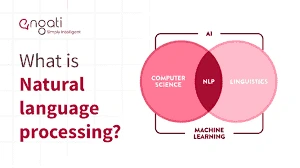
Search algorithms prefer human-sounding sentences over robotic ones. A well-conversational blog has more ranking potential than a keyword-choked article.
First, write for people; machines will follow.
Behavioral-Centric Metrics
How users interact with content is a bigger factor in ranking than keywords.
Platforms observe:
- Time spent on the page
- Scroll depth
- Bounce Rate
- Click-through rates
- Engagement and shares
If people like your content, then search engines will reward you.
Integration of Visual & Voice Search
Voice queries are rising, image recognition is improving, and video search results are exploding.
Modern content needs to fit into:
- Voice-friendly conversational phrasing
- ai search optimisation
- descriptive alt tags for visual search
- video-based explanations
- The more formats you cover, the more visibility you get.
Practical Strategies to Rank in an AI-Driven Search World
Now let’s translate everything into action. If you want your website, blog, or brand to thrive, here are strategies to start applying today:
- Write for clarity, not keyword density
Focus on answering questions, not paraphrasing phrases.
- Structure content with proper headings
Clear structure means better understanding and thus higher ranking.
- Use data, examples, and real insights
Generic content gets ignored; authentic detail gets boosted.
- E-E-A-T-Friendly Content Creation
(Experience, Expertise, Authority, Trustworthiness)
Show actual knowledge, anything but a copy of what already exists.
- Focus on multimedia content
Charts, videos, infographics, and podcast embeds-all of these improve ranking signals.
- Optimize for voice search
Please use shorter sentences with question-answer formatting.
- Provide a better page experience.
Fast loading speed + responsive design = better ai search optimisation appearance.
- Group piles of content based on one topic
Topic clusters > random blogs. You gain authority when you go deep, not wide.
- Personalization of content where possible
Personalised recommendations and user-specific suggestions increase conversions
Case Study Example: A Startup That Won Because of Smart Search Strategy
Imagine a small online learning company. Instead of publishing basic SEO articles, they created deeply researched guides, video tutorials, quizzes, templates, and ai search optimisation friendly structured pages. Users stayed longer, engaged more, and bookmarked resources.
Soon, without aggressive backlink building, their website started ranking for high-intent queries like:
Best courses for working professionals
Learn data analytics from scratch.
inexpensive certification courses
Their organic leads increased 3X in six months.
Not because they mastered keywords — but because they mastered human communication + intelligent content structure. are ai search optimisation
What The Future Looks Like
Search will soon feel like talking to a knowledgeable assistant rather than browsing a list of links. The coming years will be dominated by:ai search optimisation
- Predictive search results
- Full conversational browsing
- hyper-personalized recommendations
- visual-first search engines
Behaviour-responsive ranking systems real-time content assessment Only one truth remains: Content built for humans wins over content built for algorithms. We are going into a world where value rules, creativity matters more, and authenticity will be the strongest ranking signal of all. ai Search optimisation systems are becoming smarter every minute the brands that evolve with them will lead the future. You don’t need to chase algorithms you need to understand people. Understand intent. Understand behavior.
Understand experience. Write content that informs, inspires, guides, and connects and visibility will follow naturally. The future of search is not mechanical; it is human, intelligent, and deeply intuitive is called ai search optimisation. And the opportunities are endless for those who are ready.this ai is frequently use by digital marketer in thirssur.